

Terminal H2H SDK for iOS (Swift)
The Terminal H2H SDK for iOS enables you to integrate secure payment processing directly into your iOS applications. Connect to physical payment terminals and process transactions seamlessly using our comprehensive Swift SDK.This SDK works alongside the Terminal API to provide a complete in-person payment solution. You’ll use the Terminal API to create payment sessions and the Terminal H2H SDK to interact with physical payment devices.
Version information
v1.2.2 — 24-Aug-2026
v1.2.2 — 24-Aug-2026
What’s new:
- BRI payment method mapping: Fixed case sensitivity in BRI mapping logic. BRI payment methods (such as QRIS) now map correctly regardless of string casing.
v1.2.0 — 8-May-2026
v1.2.0 — 8-May-2026
What’s new:
- Core Stability: Fixed activity tracking bug in TerminalApplication where paused activities were not properly removed from internal tracking list
v1.1.3 — 26-Apr-2026
v1.1.3 — 26-Apr-2026
What’s new:
- Fixed casting issue on C2C request payload to improve compatibility and prevent runtime errors.
v1.1.1 — 23-Apr-2026
v1.1.1 — 23-Apr-2026
What’s new:
- Added Cashup provider support for Indonesian terminals
View all versions
View all versions
v1.0.0 — 19-Feb-2026
v1.0.0 — 19-Feb-2026
What’s new:
- Renamed class name
TerminalGatewaytoTerminalH2Hfor better consistency
v0.7.0 — 5-Dec-2025
v0.7.0 — 5-Dec-2025
What’s new:
- Fixed NTT payment method value mapping to ensure correct provider selection
- Updated BRI payment flow to validate transaction data before executing terminal actions
- Added timeout configuration for card and QR transactions to auto-cancel and retry stalled requests
- Added support to handle retry requests via
/v1/terminal/sessions/{id}/retryendpoint
v0.6.0 — 20-Nov-2025
v0.6.0 — 20-Nov-2025
What’s new:
- Added support for multiple concurrent device connections, enabling simultaneous transactions across different terminals
- [BRI] Fixed status value handling in void and cancel API responses for improved transaction status accuracy
v0.5.0 — 30-Oct-2025
v0.5.0 — 30-Oct-2025
What’s new:
- Introduced command ID handling for settlement operations
- Enhanced retry logic with configurable attempt counts
- Improved error handling and logging throughout the gateway service
v0.4.1 — 7-Oct-2025
v0.4.1 — 7-Oct-2025
Bug fixes and improvements:
- Fix data mapping for terminal responses
- [BRI] Enhanced status verification after transaction timeout for improved reliability
v0.4.0 — 13-May-2025
v0.4.0 — 13-May-2025
XenTerminal is the companion SDK to In-Person Payment Sessions API. This version provides core functionality for connecting to payment terminals and processing transactions.
The SDK follows semantic versioning. Breaking changes will bump the major version number.
Installation
Install the Terminal SDK using Swift Package Manager (SPM) in Xcode:1
Open package dependencies in Xcode
In Xcode, open your project and choose File → Add Package Dependencies….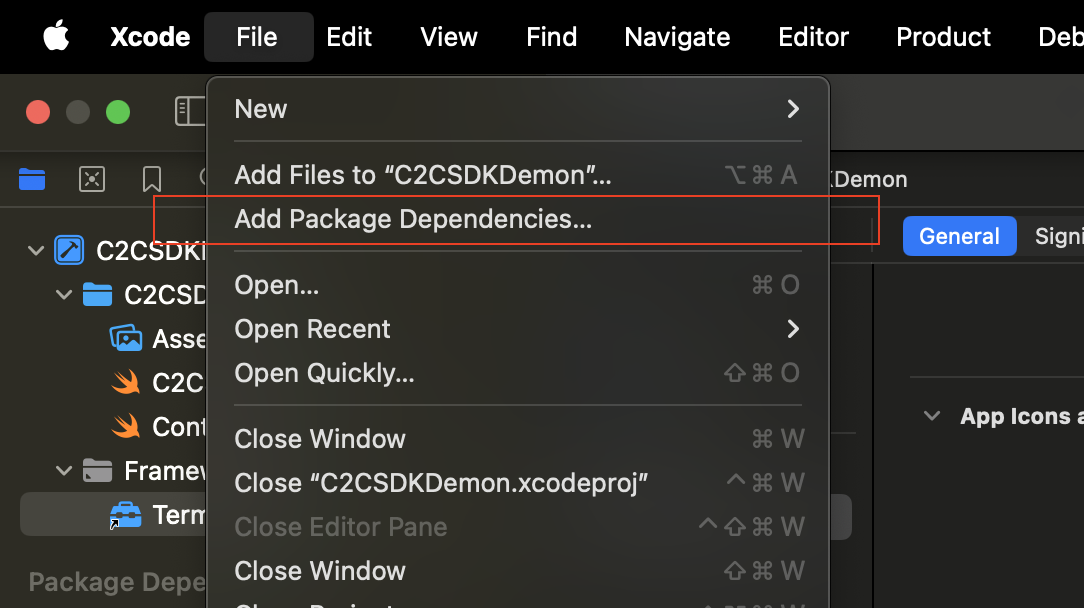
2
Add Xendit package URL
Enter this repository URL in the package search field:Then click Add Package.
3
Select version and target
Choose your dependency rule (recommended: Up to Next Major Version) and make sure your app target is selected before confirming.
4
Configure build settings
Go to Build Settings and make the following changes: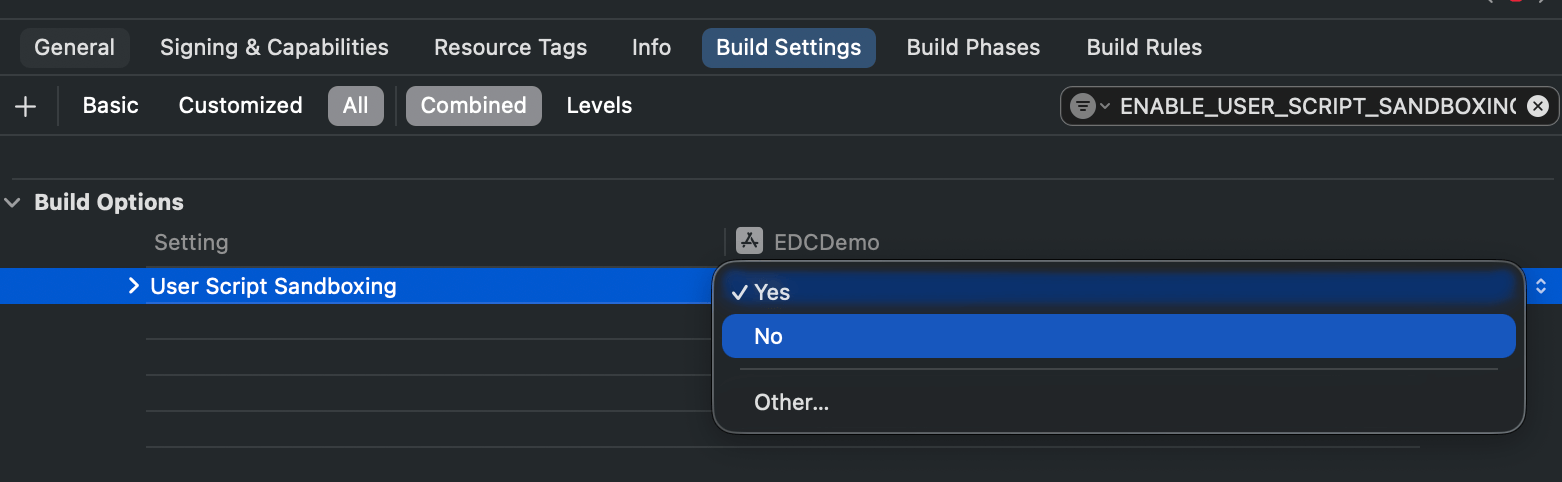
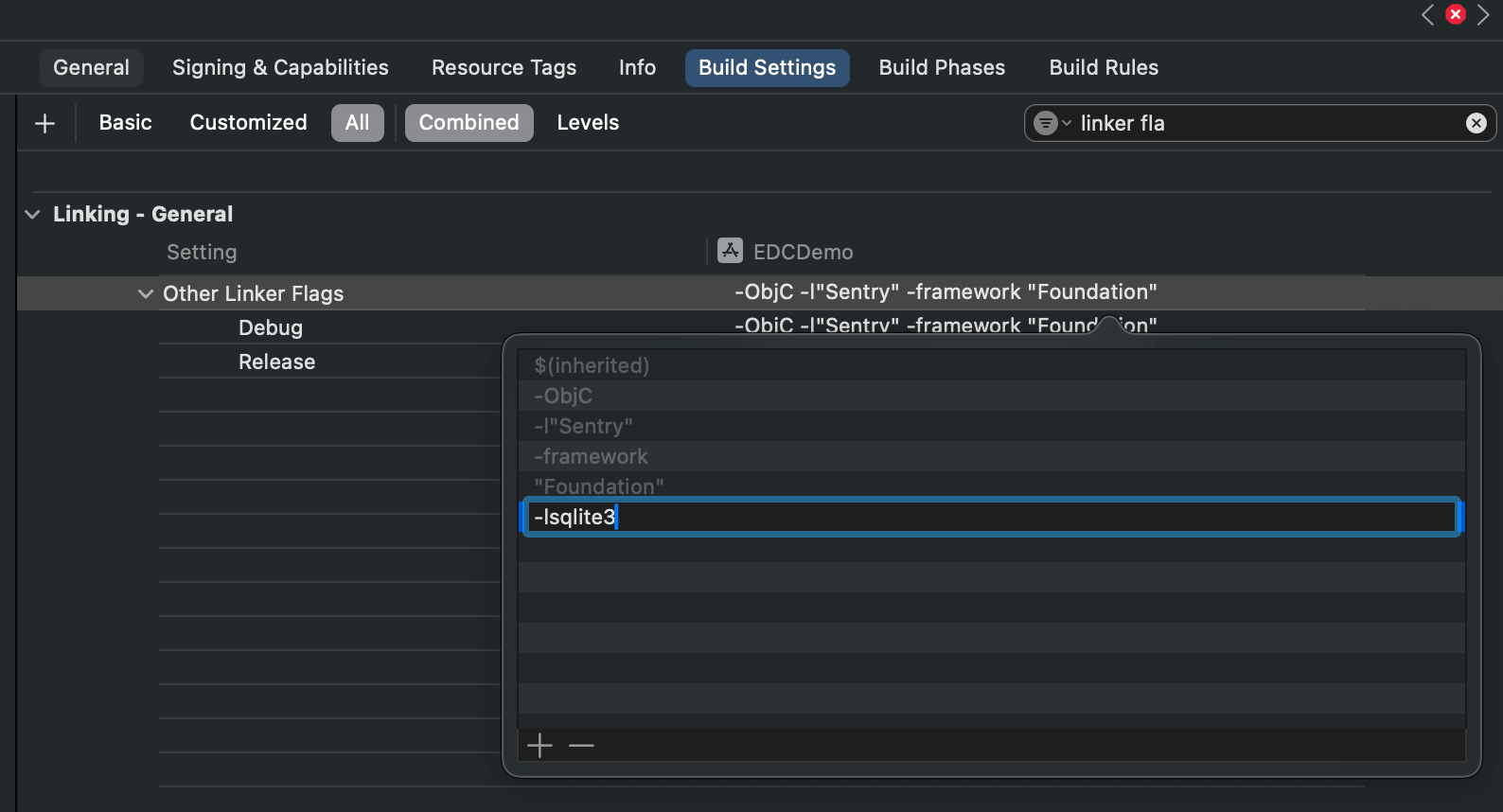
- Search for
ENABLE_USER_SCRIPT_SANDBOXINGand set it toNO - Search for
Other Linker Flagsand add-lsqlite3
Getting Started
Before starting, you’ll need an In-Person Payment CLIENT_KEY from the Xendit In-Person Payment team. You will also need the terminal IP address.Step 1: Initialize SDK
Import the SDK module and callTerminalApp.shared.initialize from your application entry point:
AppDelegate.swift
- Integration Mode
- Live Mode
Use
TerminalMode.integration for development and testing with physical terminals. Transactions are sent to Test Mode on the Xendit Dashboard.Step 2: Add Terminal Providers
Add the specific terminal providers you need for your integration:For Share Commerce (SHC), Cashup, and Atom terminals, you do not need to add a Terminal H2H provider. Those devices run terminal logic through the Gateway app installed on the hardware. If the app is missing, install it from the Gateway download page or contact inpersonpayments@xendit.co for help.
- BRI Provider (Indonesia)
- NTT Provider (Thailand)
- Cashup (Indonesia)
- Multiple Providers
BRI provider supports timeout configuration for card and QR transactions, and provides enhanced transaction retry capabilities.
After adding providers, they will be available for use when registering terminal devices in the next step.
Step 3: Register Terminal Device
Create terminal device entries usingTerminalDevice.companion.create and register them with the gateway:
Step 4: Calling Terminal API
With Terminal H2H SDK configured, you can now process payments using the Terminal API. The SDK handles communication with physical terminals through the local gateway service.For complete API documentation including request/response formats, error handling, and advanced features, see the Terminal API (H2H) documentation.
You’re now ready to process payments using the Terminal H2H SDK integrated with Terminal API.
Optional Methods
Set Operation Timeout
Configure the maximum allowed time for operations to complete before the service cancels and retries the transaction:Restart Terminal Connection
Manage and restart terminal service connections:- Restart All Connections
- Restart Single Connection
Call the method without parameters to restart all connections and tasks:
Observing Connection State
Monitor Terminal connection status using theobserveEDCConnection method:
Observing Error State
Monitor Terminal error states using theobserveError method:
Error Handling
Error Data Structure
All errors returned by the Terminal H2H SDK follow this structure:Error Codes Reference
Error Handling Best Practices
Implement comprehensive error handling for robust payment processing:Troubleshooting
Common Issues and Solutions
Unresponsive EDC Machine
Unresponsive EDC Machine
Problem: The EDC (Electronic Data Capture) machine becomes unresponsive or stops processing transactions.Solution:
- Restart the EDC machine by holding the power button and selecting “Restart”
- Wait for the device to fully boot up and reconnect
- Verify the terminal is back online using the connection monitoring features
Kiosk Mode Configuration
Kiosk Mode Configuration
Problem: Unexpected behaviors or unauthorized access to terminal functions.Solution:
- Ensure all transactions are initiated only through the SDK
- Contact the Xendit EDC team to enable POS-only mode for your Terminal IDs
- Configure terminal settings to disable manual transaction entry
No Response After Payment Completion
No Response After Payment Completion
Problem: EDC fails to send transaction results to the SDK after payment completion.Solution:
- Query the Payment Session using the Terminal API to retrieve the latest status
- Check network connectivity between the EDC and your application
- Verify the callback URL configuration in your payment session
- Implement retry logic for failed status updates
Transaction Stuck or Missing Callback After Receipt Printed
Transaction Stuck or Missing Callback After Receipt Printed
Problem: Transaction appears stuck or you don’t receive a callback after the terminal prints a receipt, indicating the transaction may be incomplete.Solution:
Call the Terminal API retry endpoint to request the app check the transaction status and redo the transaction if it’s incomplete:
This troubleshooting section applies only to BRI terminals.
The retry endpoint
/v1/terminal/sessions/{id}/retry instructs the app to verify the current transaction status with the terminal and automatically redo the transaction if it’s found to be incomplete.Connection Issues
Connection Issues
Problem: Unable to establish or maintain connection with terminal devices.Solutions:
- Check network connectivity: Ensure both devices are on the same network
- Verify IP addresses: Confirm terminal IP addresses are correct and accessible
- Firewall settings: Check if firewall is blocking the connection ports
- Terminal status: Ensure the terminal is powered on and in ready state
- SDK initialization: Verify client key and terminal configuration
Use the connection monitoring features to diagnose specific connection issues.
Finding Terminal Information
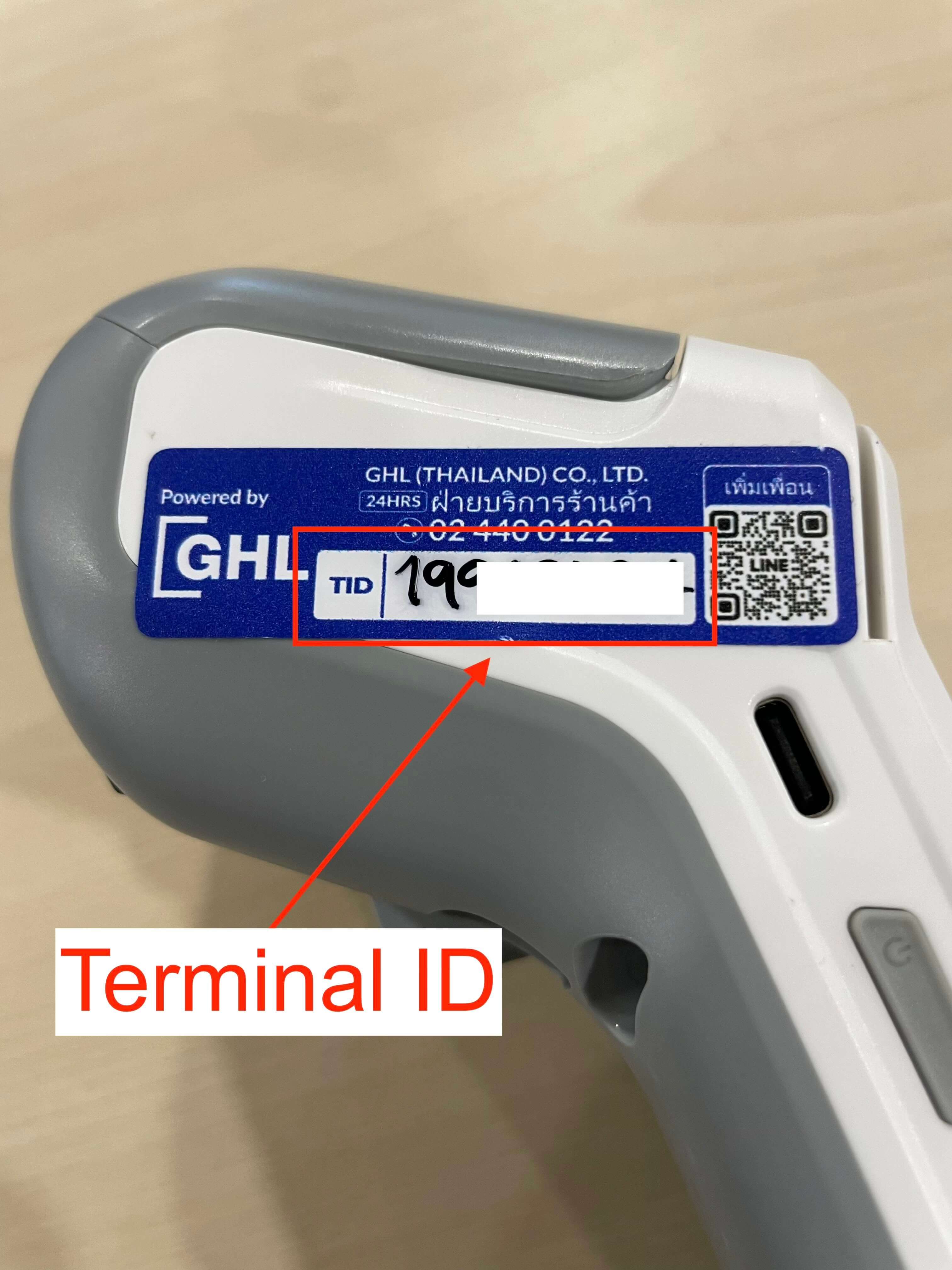
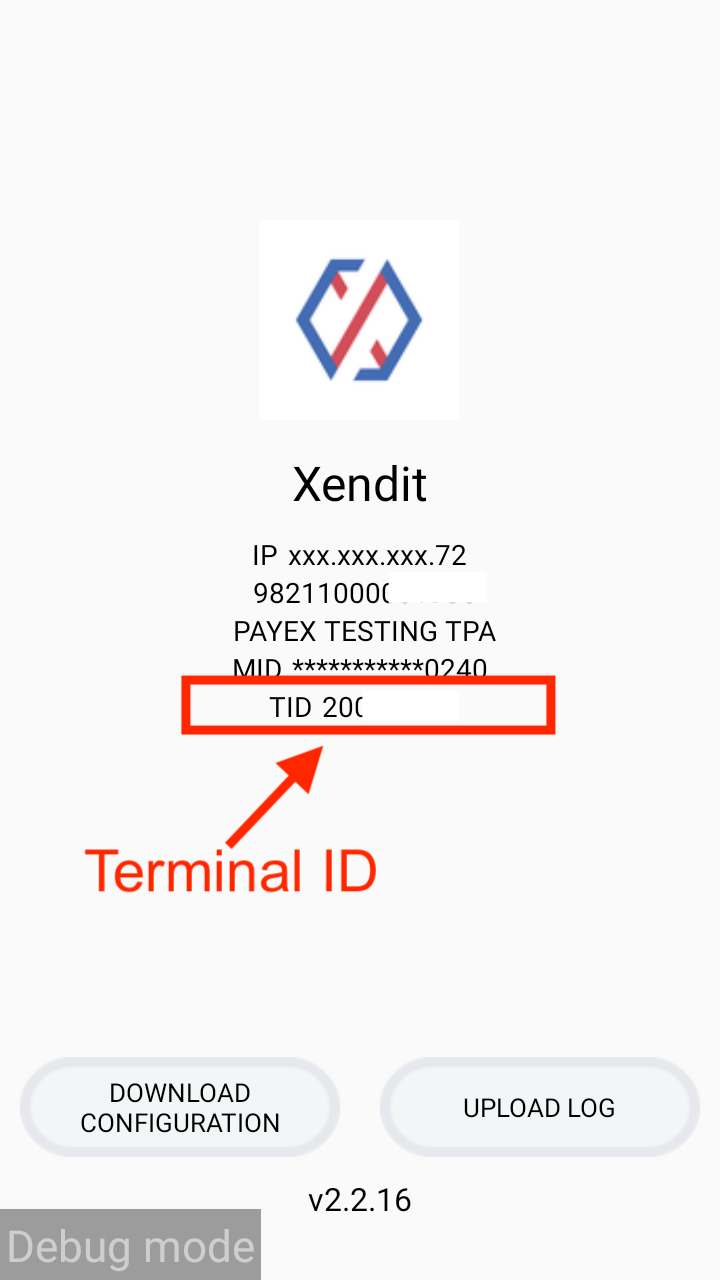
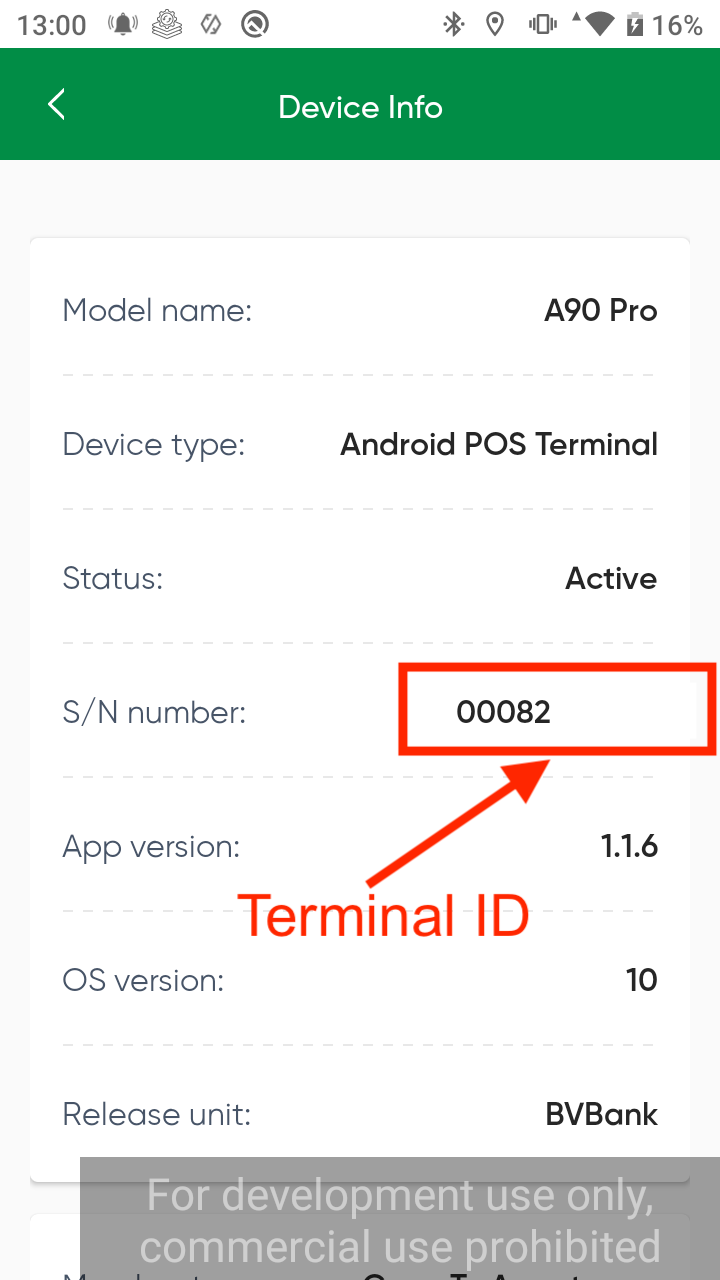
- BRI Terminals
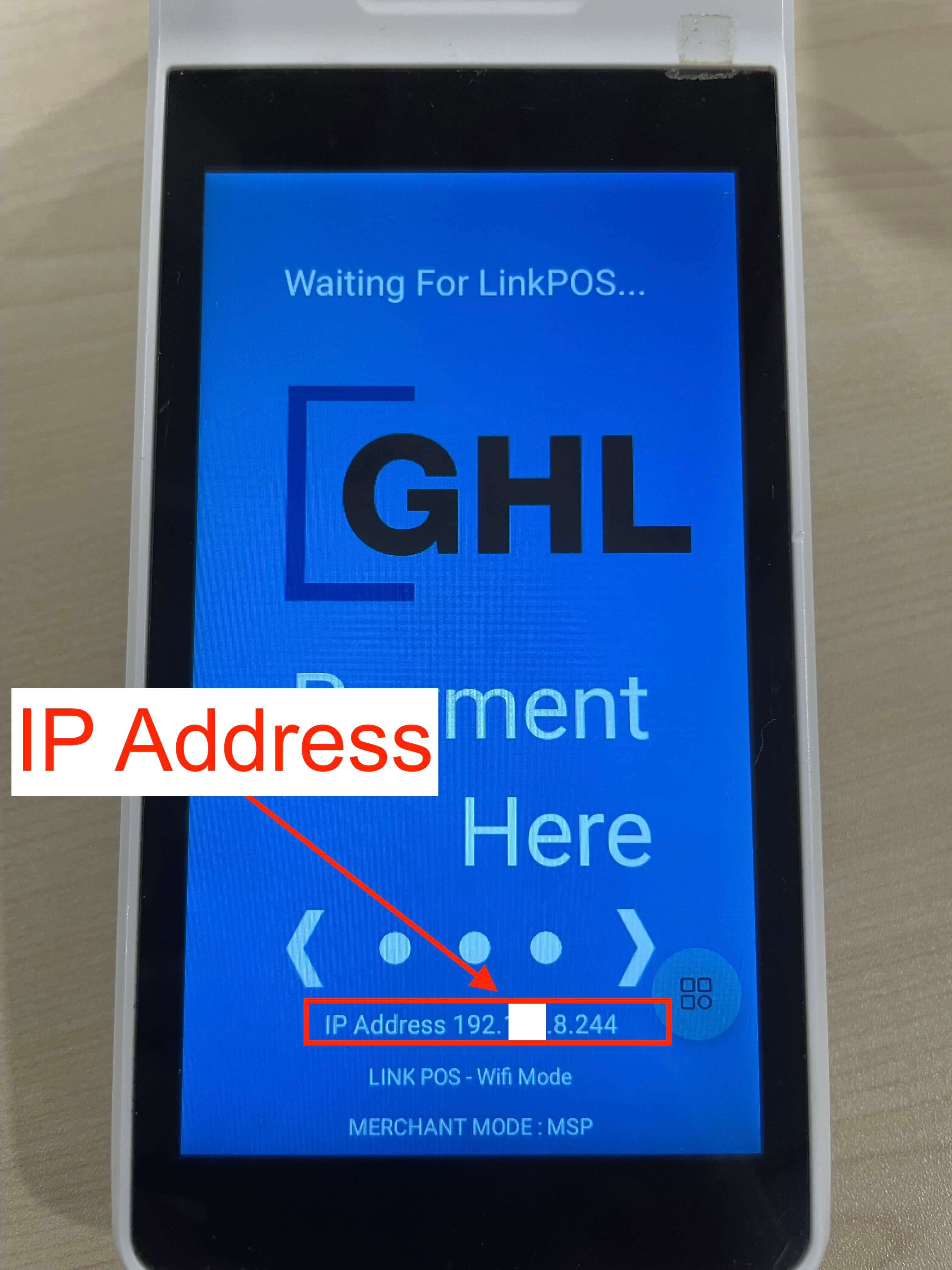
- NTT Terminals
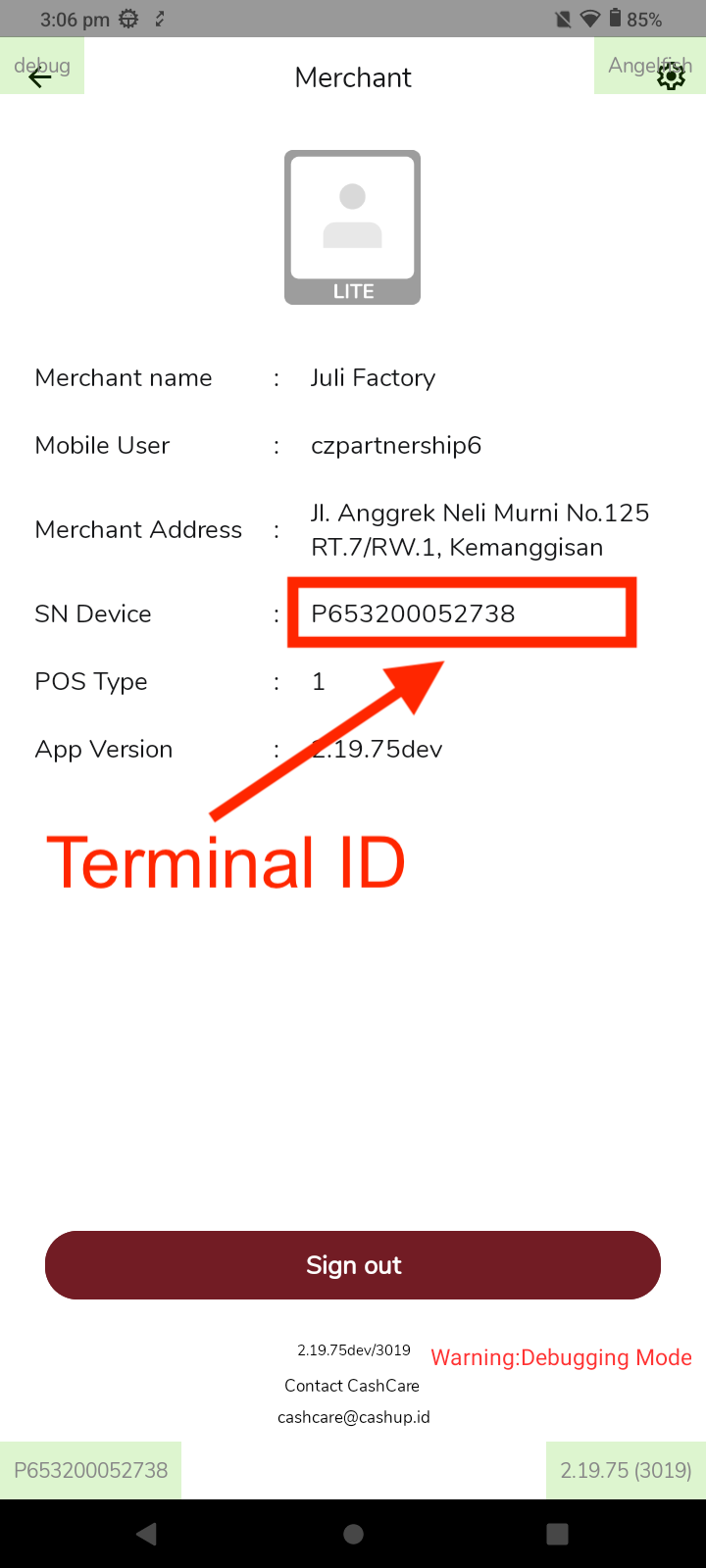
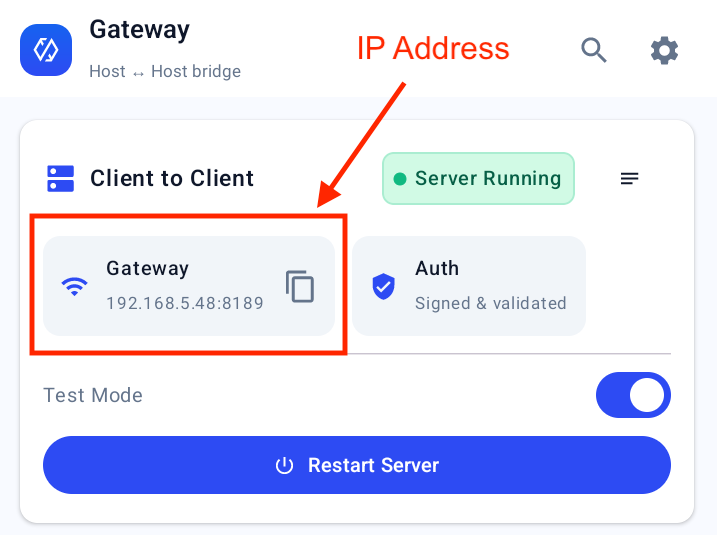
- Cashup Terminals
- Atom Terminals
1
Find Terminal ID (TID)
Open the BRI FMS app on the terminal device and locate the Terminal ID in the device information section.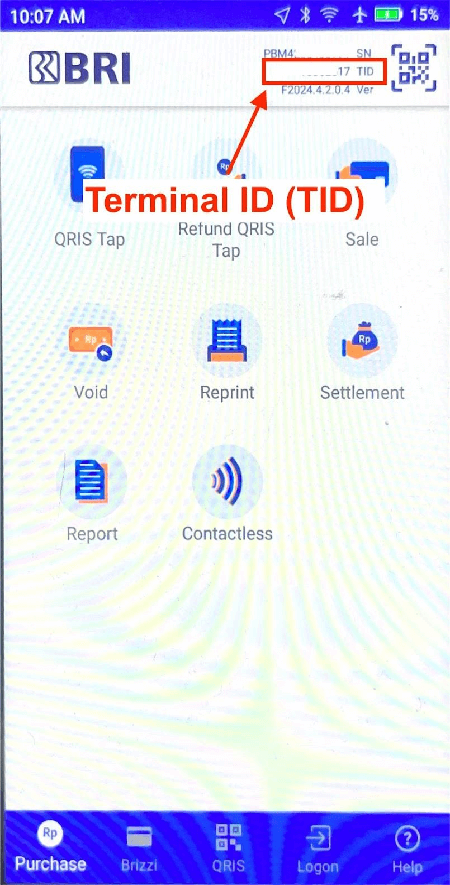
2
Find IP Address
Open the ECRLink app on the terminal and check the network settings for the IP address.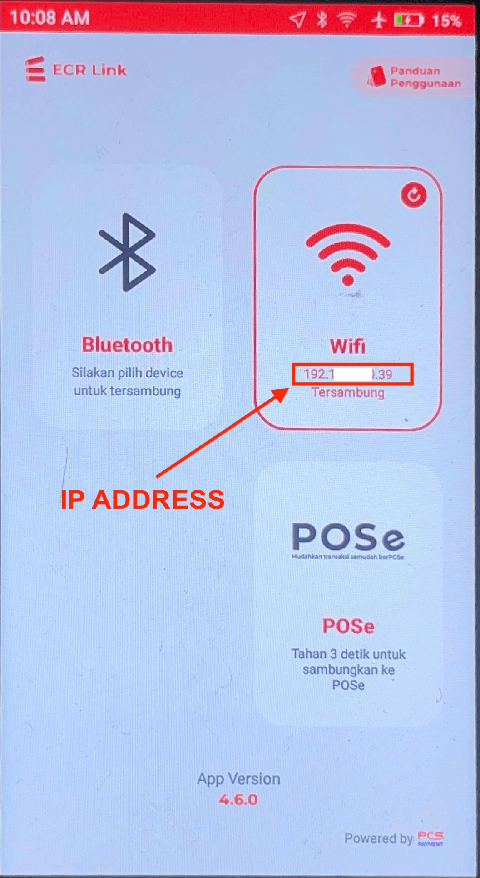
Screenshots and UI layouts may vary by firmware or app version. Refer to the latest vendor documentation if the interface differs from these instructions.